The Signage Process in Singapore from Design to Installation

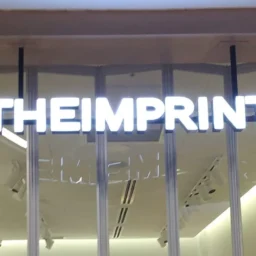
Modern Storefront 3D Signage Logo Mockup
Article Summary

This article explains the step-by-step signage process in Singapore, from the initial site assessment and design to approvals, production, quality checks, and final installation. It covers important considerations such as site measurements, material selection, design visualisation, building management requirements, outdoor signage licensing, fabrication, and safe installation. The guide helps businesses understand what to expect when planning signage for a new shop or renovated retail space.


Setting up a brand-new shop or renovating a retail space in Singapore comes with a long to-do list. Between managing interior fit-outs and sorting operations, getting your storefront sign ready can feel like a daunting task. Understanding the step-by-step signage process Singapore businesses go through helps you avoid costly delays and last-minute panic before your grand opening.

When you partner with an experienced signage company, turning a visual design into physical storefront signage follows a clear, structured workflow. Here is how your sign moves smoothly from initial design drawings to final installation at your storefront entrance.


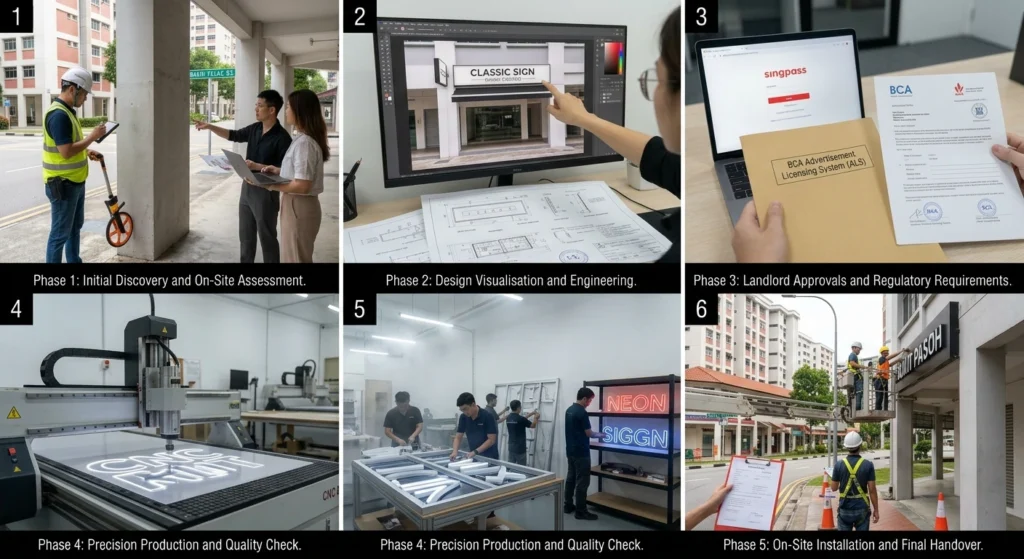
Phase 1: Initial Discovery and On-Site Assessment

Every successful signage project starts on the ground. Before selecting colours or choosing materials, your team needs to fully understand the physical environment where the signage will be installed.

During the initial consultation, designers review your brand guidelines and functional needs. A thorough site survey follows immediately after. Technicians measure wall dimensions, evaluate structural support materials, check power access, and identify potential visual obstructions like trees or pillars.

Selecting suitable substrates early can help reduce premature wear. Outdoor signboards in Singapore are exposed to intense UV rays, heavy rain, and high humidity, making materials such as marine-grade aluminium, high-density acrylic, and rust-resistant stainless steel suitable options for outdoor signage.


Phase 2: Design Visualisation and Engineering

Once structural measurements are determined, creative concepts turn into precise technical blueprints.

Designers create digital 3D mockups superimposed directly onto photos of your actual storefront. This gives you a realistic preview of proportions, night illumination, and daytime visual contrast before production begins.
Modern Storefront 3D Signage Logo Mockup
The Signage Process in Singapore from Design to Installation
For larger or more complex structural installations, additional engineering requirements may apply. Where required, a Professional Engineer (PE) may need to provide or endorse structural documentation for the proposed signage. Detailed shop drawings outline internal wiring routes, transformer housing, LED module counts, and anchoring mechanisms.

Whether you choose a classic basic signage or a sleek lightbox signage, clear engineering drawings keep the entire team aligned.


Phase 3: Landlord Approvals and Regulatory Requirements
Compliance with local regulations is an important part of the signage design and installation process in Singapore.

First, obtain the necessary consent from your building owner, landlord, shopping mall management, Management Corporation Strata Title (MCST), HDB, or Town Council, where applicable. Property managers may have their own requirements for signage size, placement, projection, design, and installation.

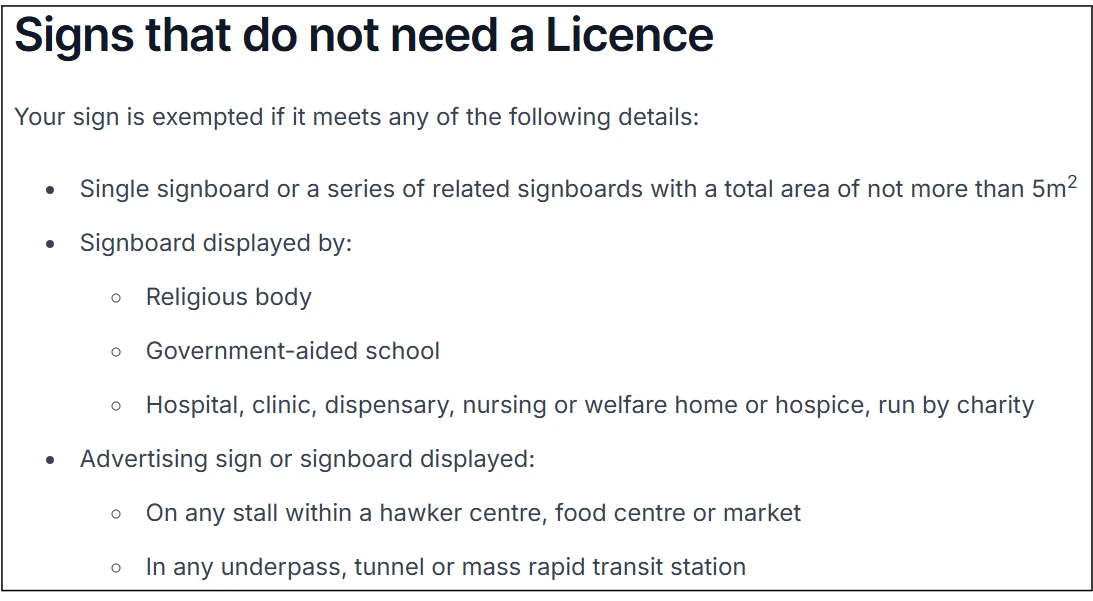
For outdoor advertising signs and signboards, a licence from the Building and Construction Authority (BCA) may be required, depending on the type, size, location, and applicable requirements of the proposed sign. BCA advises applicants to check the relevant requirements and use its online consultation before submitting an application.
BCA signboard license exemption criteria, including size limits and specific display locations
The Signage Process in Singapore from Design to Installation
Relevant URA outdoor signage guidelines may also apply depending on the location and type of sign. URA provides different guidelines for outdoor signs in the Central Area, areas outside the Central Area, and conservation areas.

Where a licence is required, applications can be submitted through BCA’s Advertisement Licensing System (ALS). Applicants can submit proposals for consultation and apply for an advertisement licence through the system.

For signs in conservation areas, additional requirements may apply. URA states that signage proposals in conservation areas are subject to its signage guidelines and the requirements of relevant technical departments.

Starting the approval process early can help reduce delays and give your signage project enough time for design, production, and installation.


Phase 4: Precision Production and Quality Check
Once the necessary approvals are in place, your technical drawings can move to the factory floor for custom fabrication.

Computer-controlled equipment like CNC routers, laser cutters, and water-jet cutters slice raw metals and acrylics with high accuracy. Technicians build individual channel letters, assemble durable structural frames, and apply weather-resistant coatings.

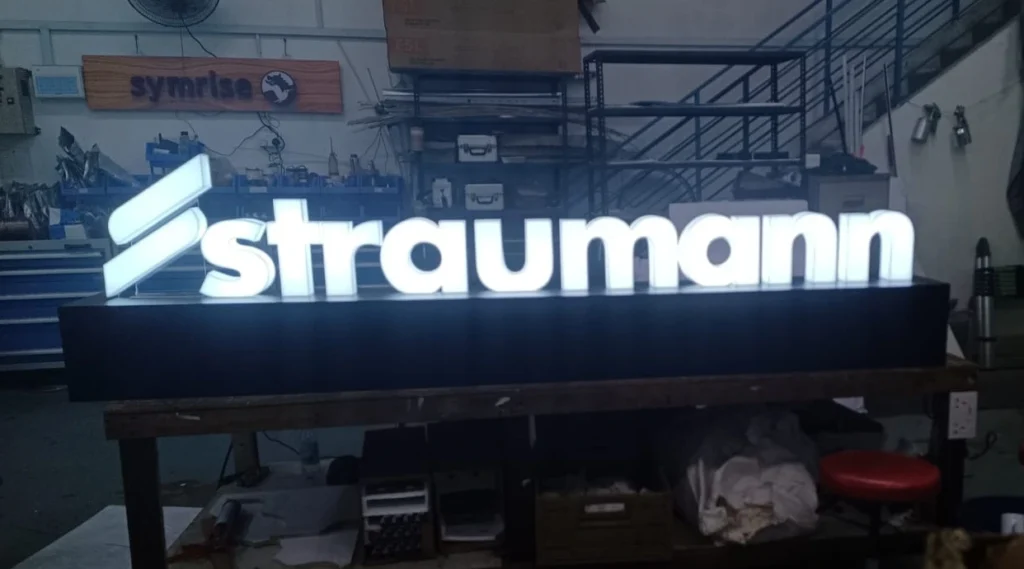
For illuminated features, energy-efficient LED modules are wired alongside surge protectors and waterproof seals. The finished signage is checked for workmanship, illumination, and other relevant quality requirements before leaving the workshop.

Depending on your brand concept, production might involve building a bold 3D boxup signage, crafting an elegant 3D acrylic signage, or creating an eye-catching neon signage. Larger visual applications may also involve large format printing.
Illuminated 3D lettering signage for straumann
The Signage Process in Singapore from Design to Installation


Phase 5: On-Site Installation and Final Handover
The final stage brings everything together safely on site.

Before installation, contractors may need to obtain a Permit to Work (PTW) from building management, depending on the site and nature of the work. If installation requires high-level access equipment, scaffolding, or work that affects public areas or traffic, the necessary site permits and approvals should be obtained before installation.

Installers follow the required risk assessment and safety procedures while securely anchoring heavy support structures into concrete or steel beams. Electrical feeds link into the main power distribution box safely.

After final lighting tests and site cleanup, your storefront will be officially handed over and ready to welcome new customers.

A graphic detailing the five-phase signage production process
The Signage Process in Singapore from Design to Installation


Revitalise Your Shopfront

Technical permits and precision installation are important parts of creating a storefront sign that sets the tone for your entire business. Let us help you manage the signage design, production, approval requirements, and installation process so you can focus on opening your doors with confidence.

Need to choose the right signage for your shopfront? Get in touch with the StyleAdv team via our contact page today for a free consultation.


Frequently Asked Questions (FAQs)

  1. How Long Does the Signage Process Take in Singapore?
The timeline varies depending on the signage type, design complexity, approval requirements, materials, and installation conditions. Simpler signage projects may take less time, while larger outdoor projects involving building approvals, structural requirements, or specialised installation may take several weeks. It is best to start planning early and confirm the project timeline with your signage company.
  1. Do I Need Approval Before Installing Outdoor Signage in Singapore?
Not necessarily. Outdoor signs generally require a BCA licence unless they fall within an applicable exemption. For example, certain signboards on business premises with a total area of not more than 5 square metres may qualify for an exemption. Your signage company should check the current BCA requirements before installation.
  1. Do I Need Landlord or Building Management Approval for Shop Signage?
Building or landlord approval may be required before installation. Requirements vary between landlords, shopping malls, MCSTs, HDB properties, and Town Councils. Property owners and building managers may also have their own requirements for signage size, design, placement, installation method, and operating hours.
  1. When Should I Start Planning My Shop Signage?
It is best to start planning your shop signage several weeks before your target opening date, ideally during the early stages of your interior renovation planning. This gives enough time for design, approvals, production, and installation, especially for projects involving more complex signage or approval requirements.
  1. What Information Does a Signage Company Need Before Starting a Project?
A signage company will usually need your business location, preferred signage type, approximate size, brand artwork or logo, installation location, and any building or landlord requirements. Site photos can also help with the initial assessment.
  1. Do Large or Structural Signs Require a Professional Engineer?
Some larger or structurally complex signs may require professional engineering input. The requirements depend on factors such as the sign’s size, height, structure, location, and installation method. Your signage company can advise whether a Professional Engineer (PE) is required for the proposed installation.
  1. Can I See How My Signage Will Look Before Production?
Yes. Signage companies provide 2D vector layouts and 3D visual mockups overlaid onto actual photos of your shopfront before manufacturing begins.
  1. What Happens After the Signage Design Is Approved?
The project moves into material sourcing and factory fabrication (laser cutting, acrylic moulding, wiring), followed by quality inspection, site delivery, and final installation.
  1. How Is Outdoor Signage Installed Safely?
Installation methods depend on the sign, building structure, height, and site conditions. Where applicable, installers may use structural anchors, suitable concrete or steel fixings, weather-resistant electrical protection, scaffolding, boom lifts, or other access equipment. Required risk assessments, permits, and site safety procedures should be completed before work begins.


Style Adv signage services with contact information
The Signage Process in Singapore from Design to Installation

Related Posts