This article compares three of the most popular signage materials in Singapore: acrylic, aluminium, and lightbox signage. It explains the advantages, ideal applications, expected lifespan, and cost considerations of each option, helping business owners choose the most suitable signage based on their location, operating hours, branding goals, and maintenance requirements. The article also provides practical recommendations for different business environments, from office receptions and shopping malls to outdoor shopfronts and restaurants.
Opening a physical shop, restaurant, or company office in Singapore requires a series of preparations. One of the most important things is ensuring your shop stands out. Whether your shop is located inside a bustling shopping mall or in an industrial area, your shopfront sign is often the first impression potential customers will have of your business.
Choosing the right shopfront visual display is about picking attractive designs from your product catalogue. You also need to consider local weather conditions, indoor lighting, and long-term maintenance. When local business owners ask how to choose between different materials, they usually mention three main options: acrylic, aluminium, and illuminated display lightboxes.
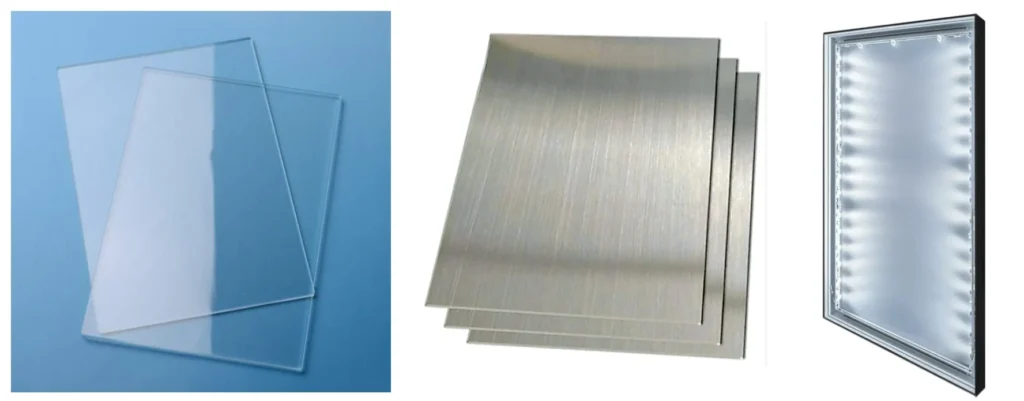
This short signage materials guide for Singapore breaks down how these materials compare, so you can make the smartest choice for your shopfront and branding goals.
-
Acrylic Signage: Premium Finish for Indoor Spaces
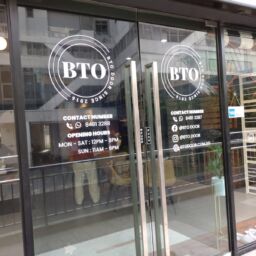
If you desire a smooth, glass-like surface finish without the heavy weight or fragility of glass, acrylic is an excellent choice. It delivers a smooth, glossy surface for indoor environments like corporate reception walls, boutique retail stores, or service counters.
-
Visual Appeal: Crystal clear or brightly coloured, with a smooth and glossy surface.
-
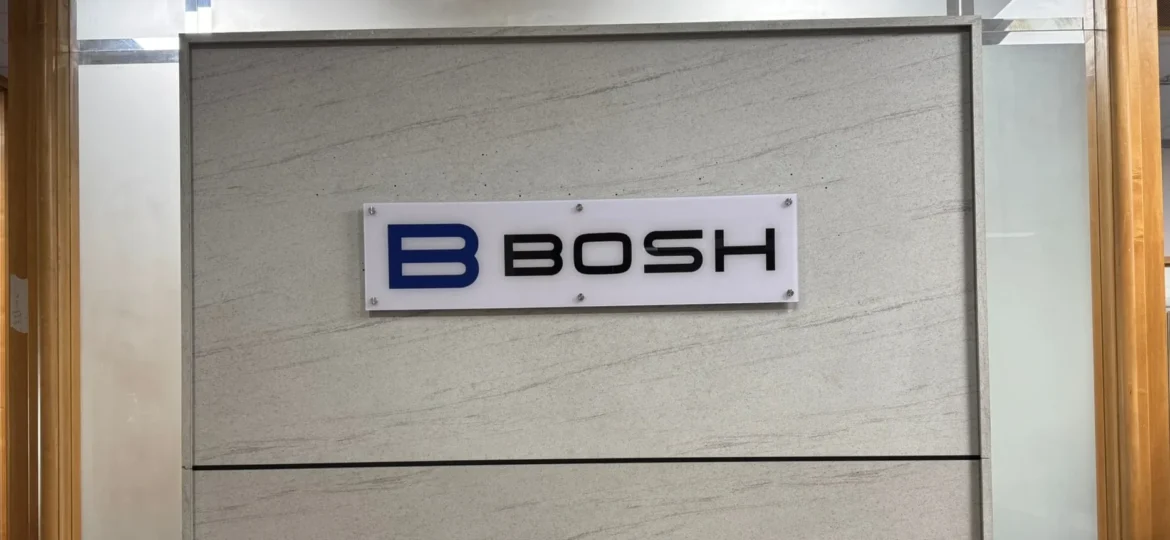
Best Applications: Indoor feature walls, office lobby logos, directory boards, and counter display menus.
-
Expected Lifespan: 5 to 10 years for indoor installations. Prolonged exposure to strong tropical sunlight will cause clear acrylic to gradually yellow over time.
-
Cost Profile: Affordable and cost-effective, making it a popular choice for indoor installation.
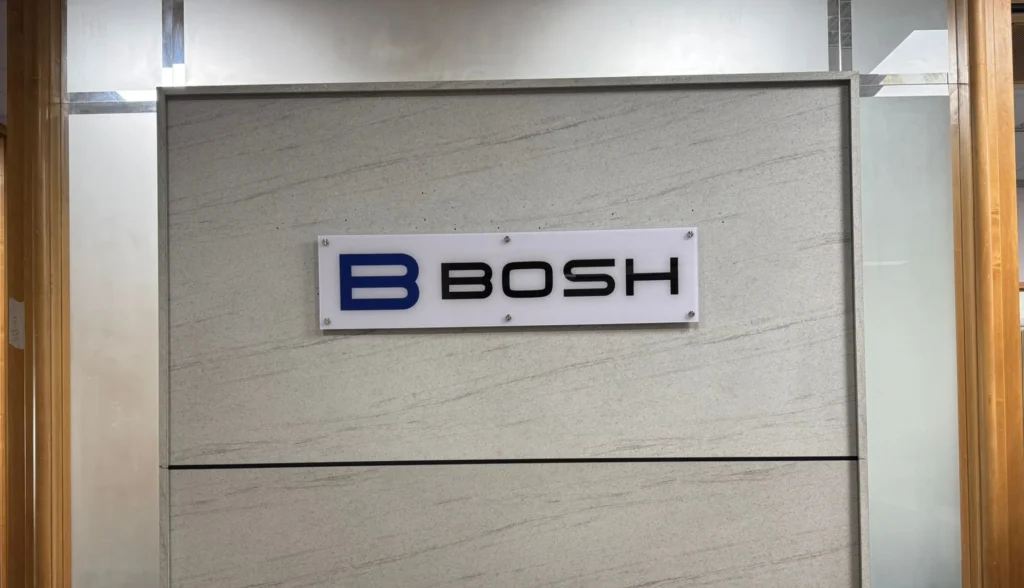
When designed as a dimensional logo, 3D acrylic signage adds depth and a modern look to your brand. For businesses operating inside air-conditioned shopping malls, acrylic blends style and clarity.
-
Aluminium Signage: Built Tough for Singapore’s Outdoor Weather
-
Visual Appeal: Clean, solid, and professional finish available in flat panel sheets or dimensional fabrications.
-
Best Applications: Building exterior facades, outdoor shop headers, industrial park entrances, and high-traffic public walkways.
-
Expected Lifespan: 10 to 20 years. Aluminium is naturally rust-resistant and corrosion-resistant and can withstand rain and thermal expansion and contraction.
-
Cost Profile: The initial investment is high, but the long service life and low maintenance requirements can make up for the higher cost.
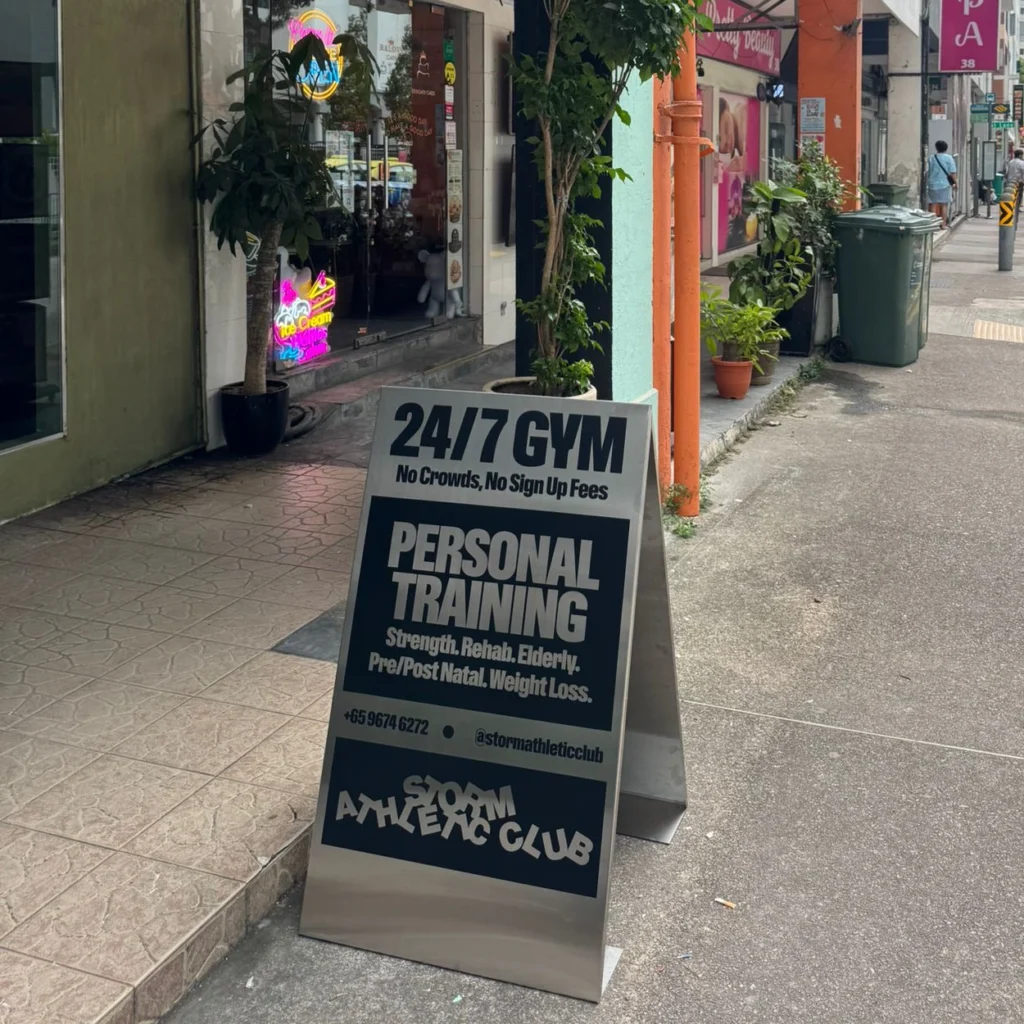
If you are setting up an exterior shopfront, using 3D boxup signage made of solid metal or composite aluminium panels keeps your storefront looking fresh and structurally sound for years. You can even combine metal backing panels with colourful large format printing film for clear image details.
-
Lightbox Signage: Maximum Visibility Around the Clock
-
Visual Appeal: Bright, illuminated visual panels that capture attention from down the street or corridor.
-
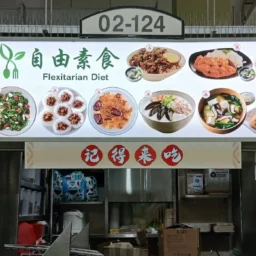
Best Applications: Mall corridors, late-night retail shops, bars, and eye-catching food signage menus.
-
Expected Lifespan: 8 to 15 years for the heavy-duty framing structure, with occasional internal LED module servicing.
-
Cost Profile: Moderate investment, with the specific price depending on overall size and lighting configuration.
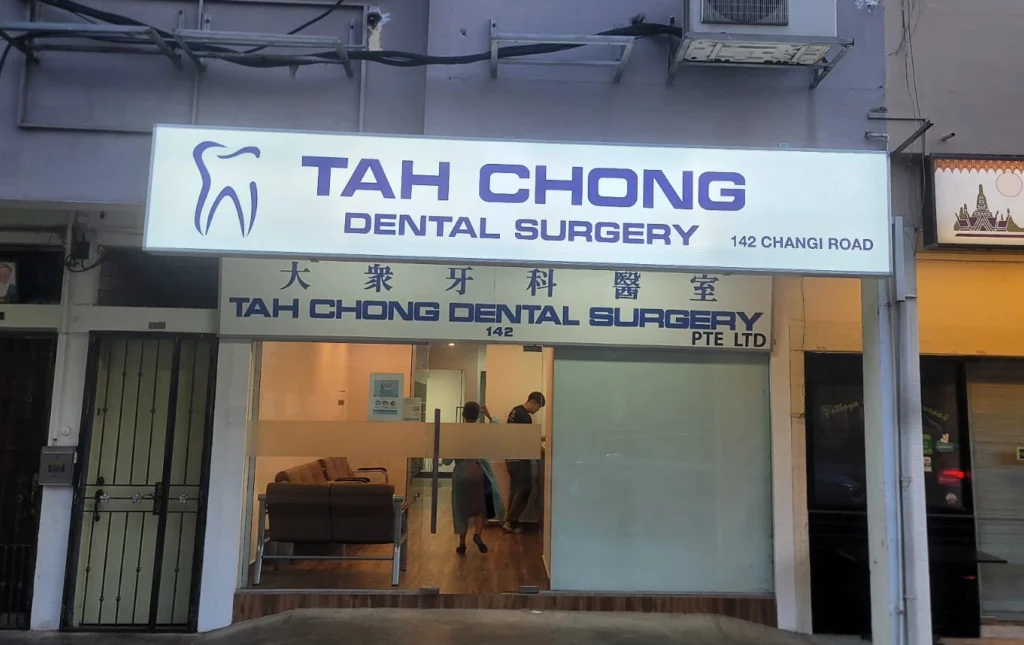
Choosing custom lightbox signage ensures your storefront remains visible throughout the day and night, guiding foot traffic directly to your door regardless of ambient lighting condition.
Acrylic vs Aluminium vs Lightbox Signage: Making the Right Choice
When evaluating acrylic vs aluminium vs lightbox signage, there is no single solution suitable for all locations. The best signage material for businesses in Singapore depends on location, lighting conditions, and operational hours.
|
Feature
|
Acrylic
|
Aluminium
|
Lightbox
|
|
Best Location
|
Indoor Offices & Shopping Malls
|
Outdoor Facades
|
Shopping Malls & Night Time Shopfronts
|
|
Weatherproof
|
Moderate
|
Exceptional
|
High
|
|
Illumination
|
No (Requires external lighting)
|
No (Requires external lighting)
|
Built-in LED Lighting
|
|
Average Lifespan
|
5 to 10 Years
|
10 to 20 Years
|
8 to 15 Years
|
Here is a quick rule of thumb when planning your store’s visual identity:
-
Indoor Corporate Offices & Boutique Interiors: Choose acrylic or simple basic signage panels for an elegant, elevated feel.
-
Outdoor Street-Facing Facades: Choose weather-resistant aluminium backings paired with dimensional lettering to resist sun and rain damage.
-
High-Traffic Retail & Food Outlets: Choose illuminated lightboxes or colourful neon signage to maximize visibility in dim walkways.
-
Structural Columns & Specialty Displays: Consider wrapped graphics like a vibrant pillar wrap to turn awkward interior structural posts into useful marketing spaces.
Selecting the right signage materials depends on your store space, lighting condition, and long-term brand objectives. At StyleAdv, we manufacture, install, and deliver signage that meets Singapore’s local building standards and mall management requirements.
Need help choosing the right shop signage? Contact our team now for a free consultation and start your shop makeover journey.
Frequently Asked Questions (FAQs)
-
Which Signage Material Is Best for My Business in Singapore?
-
What Is the Difference Between Acrylic, Aluminium and Lightbox Signage?
-
Is Acrylic Signage Suitable for Outdoor Use?
-
Why Is Aluminium a Popular Choice for Outdoor Signage?
-
When Should I Choose Lightbox Signage?
-
Which Signage Material Lasts the Longest?
-
Which Signage Option Requires the Least Maintenance?
-
Can Different Signage Materials Be Combined?
-
How Do I Choose the Right Signage for My Shopfront?
When choosing shopfront signage, consider your business location, operating hours, available lighting, budget, maintenance needs, and desired brand image. Working with an experienced signage company can help you select the most suitable solution for your business.